
Glasgow’s Gaelic Place-names. A talk and Q&A with Dr. Alasdair Whyte. Saturday 27th June 2026, 4.30pm.
Govan Book Festival invites you to 𝑮𝒍𝒂𝒔𝒈𝒐𝒘’𝒔 𝑮𝒂𝒆𝒍𝒊𝒄 𝑷𝒍𝒂𝒄𝒆-𝑵𝒂𝒎𝒆𝒔, a Talk and Q&A with Dr. Alasdair Whyte.
 Saturday 27 June 2026, 4:30pm
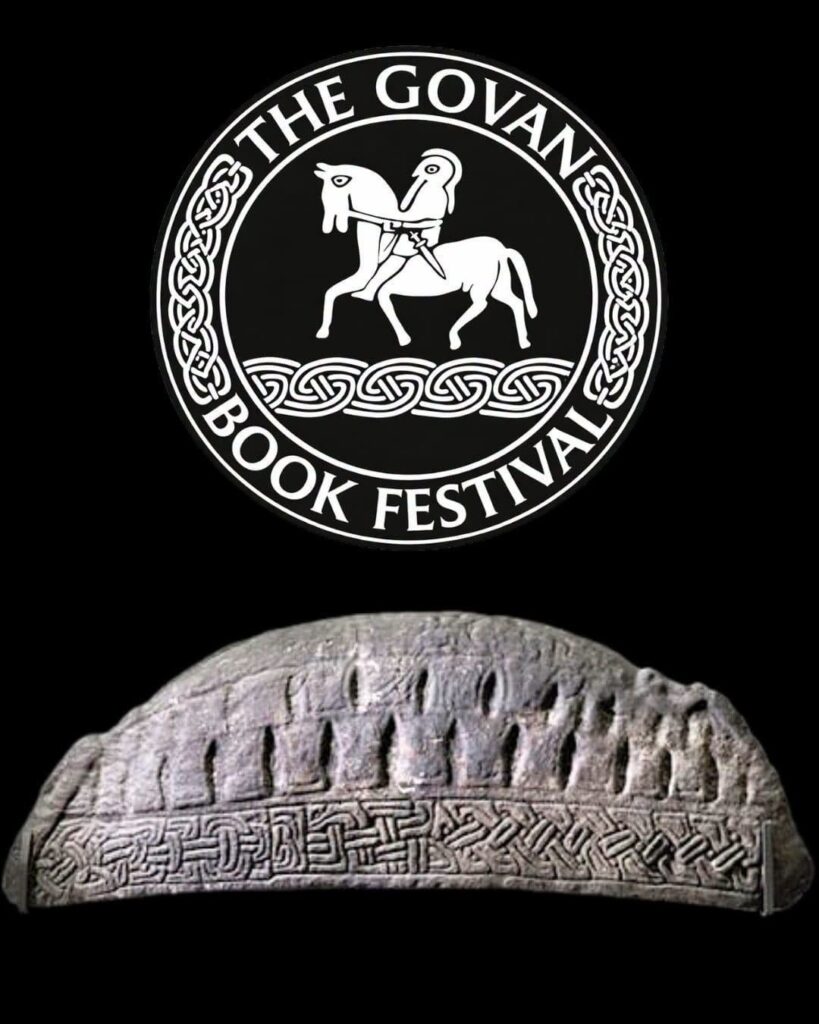
 Govan Old/ The Govan Stones
 Free & unticketed / all welcome
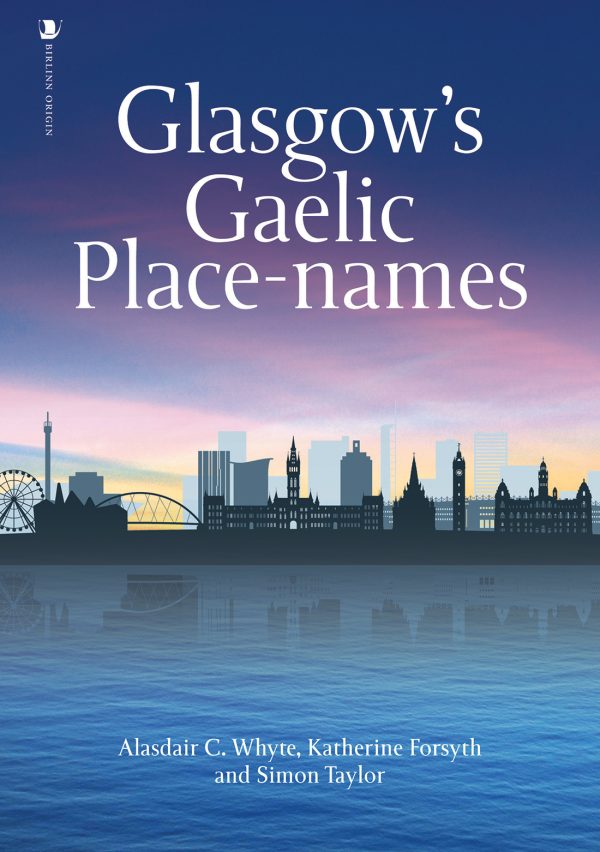
About the Book:
It is time to bin – once and for all – the nonsense that Gaelic was never spoken in Glasgow. In fact, Glasgow’s place-names tell us that Gaelic has been spoken in Glasgow for around a thousand years. Showcasing new research from the University of Glasgow, this illustrated guide to Glasgow’s Gaelic namescape reveals how place-names are a key to unlocking Glasgow’s hidden past and takes the reader on a journey of discovery the length and breadth of this great modern city – from Yoker in the west to Daldowie in the east, via Boclair, Carmunnock and many other places in between.
The truth about Glasgow’s past, present and future dispels myths and throws up countless surprises about Glasgow’s deep Gaelic roots.
(Speaker) Dr Alasdair C. Whyte is a Lord Kelvin/Adam Smith Research Fellow at the University of Glasgow. He was named Tosgaire na Gaidhlig/ Gaelic Ambassador of the Year by The Scottish Government at the Royal National Mod in Glasgow in October 2019.
Professor Katherine Forsyth researches and teaches at the University of Glasgow with a focus on the Celtic early Middle Ages. Like many Glaswegians, her Gaelic-speaking ancestors migrated to the city in the 19th century and she is a learner of the language.
Leave a comment: